Authors

The Author’s Commentaries on the Occasion of the Thirtieth Year of Publication of The Teachings of Don Juan: A Yaqui Way of Knowledge

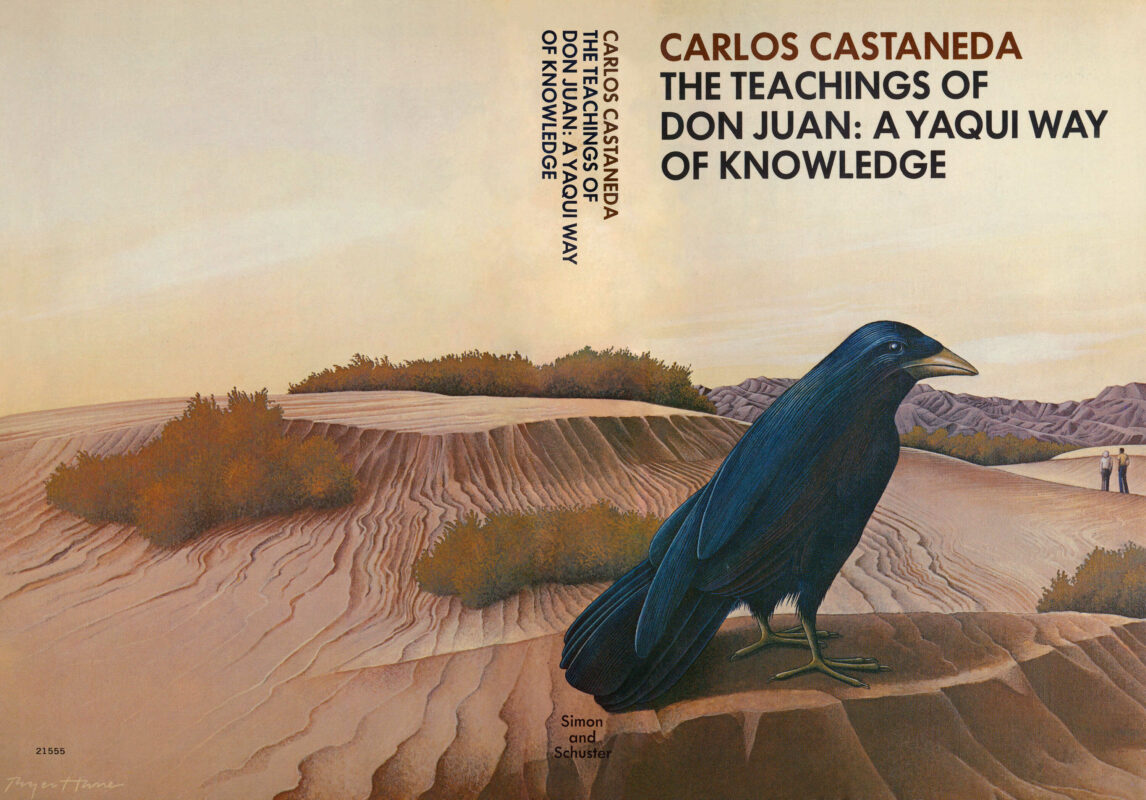
In this commentary, Carlos Castaneda reflects on the thirtieth anniversary of his book, “The Teachings of Don Juan: A Yaqui Way of Knowledge.” He discusses the initial challenges of his anthropological fieldwork with the Yaqui shaman Don Juan Matus, highlighting the support of Dr. Clement Meighan and Professor Harold Garfinkel, whose influences shaped his deep immersion into the study of shamanistic cognition. Castaneda explains that his work evolved from mere data collection to internalizing the shamans’ unique perception of reality, which centers on energetic facts like “seeing” energy directly and the concept of the assemblage point. He elaborates on the shamans’ understanding of the cosmos, awareness, and the “definitive journey” beyond death, presenting these insights as a “cognitive revolution” offered by Don Juan.

The Author’s Commentaries on the Occasion of the Thirtieth Year of Publication of The Teachings of Don Juan: A Yaqui Way of Knowledge Read More »

Journal of Applied Hermeneutics – Announcements

This section details Cleargreen’s 1996 event schedule. It announces a San Francisco seminar on “Intentionality” with new instructors called the Pathfinders , and a Los Angeles seminar on “The Female Energy Body” featuring lectures by Castaneda, Carol Tiggs, and others. The release of new Tensegrity videos (“Redistributing Dispersed Energy” and “Twelve Basic Movements”) is also announced , along with the Spanish edition of Castaneda’s book, “The Art of Dreaming”. Subscription and contact details for the journal are provided.

Journal of Applied Hermeneutics – Announcements Read More »

Journal of Applied Hermeneutics – What is Intentionality?

Castaneda begins with a note on his use of language before exploring “intentionality,” seeking to move beyond standard philosophy. He traces the term from the medieval Scholastics to the 19th-century philosopher Franz Brentano, who defined it as the unique characteristic of mental phenomena to be directed toward an object. Castaneda then connects this to the sorcery concept of “calling intent”. From a sorcerer’s perspective, he explains, intent is not a mental product but a tangible, energetic force that exists outside the physical body and can be engaged with.

Journal of Applied Hermeneutics – What is Intentionality? Read More »

Journal of Applied Hermeneutics – Queries about the Warriors’ Way: When am I going to see? Are you doing something to me?

In this section, Castaneda addresses two common questions. The first concerns when a practitioner will achieve “seeing,” the direct perception of energy. He explains that while practices are important, the crucial element is to “intend” the outcome—the state sorcerers call “stopping the world,” which is achieved by obliterating self-importance. The second question is about fear over strange physical sensations during Tensegrity. Castaneda recounts how don Juan Matus explained such feelings not as external manipulation, but as natural physiological responses or a product of one’s own victim mentality. Don Juan’s advice was to counter fear by being “impeccable”.

Journal of Applied Hermeneutics – Queries about the Warriors’ Way: When am I going to see? Are you doing something to me? Read More »

Journal of Applied Hermeneutics – The Second Principle of the Warrior’s Way: We Are What Our Inception Is

Castaneda presents the second premise of the warriors’ way: “We Are What Our Inception Is”. He relays don Juan Matus’s difficult teaching that one’s energetic makeup is profoundly shaped by the conditions of one’s conception. Don Juan used the term “bored fuck” (B.F.) for those conceived without genuine parental excitement, who are consequently energetically weak and needy. Don Juan’s practical advice for a B.F. was to become a “miser of energy” through abstinence from draining behaviors. The ultimate goal, he explained, is to remake oneself by “intending the inconceivable,” using any available emotional or sensational spark as fuel for transformation.

Journal of Applied Hermeneutics – The Second Principle of the Warrior’s Way: We Are What Our Inception Is Read More »

Journal of Applied Hermeneutics – What are Warrior Guardians?

In this log, Castaneda defines a “warrior guardian” as don Juan Matus’s term for a sorcerer—someone capable of interrupting their normal system of interpretation. He explains that the group known as the Chacmools was dissolved according to the dictates of energy, a force a warrior must obey. A new group selected by energy, the Energy Trackers, has replaced them. Castaneda relays don Juan’s explanation of energy tracking as following the trail of energy’s flow, which is experienced as a physical feeling rather than a visual sight. This new group naturally formed and developed this capacity, allowing energy to reveal itself to them.

Journal of Applied Hermeneutics – What are Warrior Guardians? Read More »

Journal of Applied Hermeneutics – Readers of Infinity

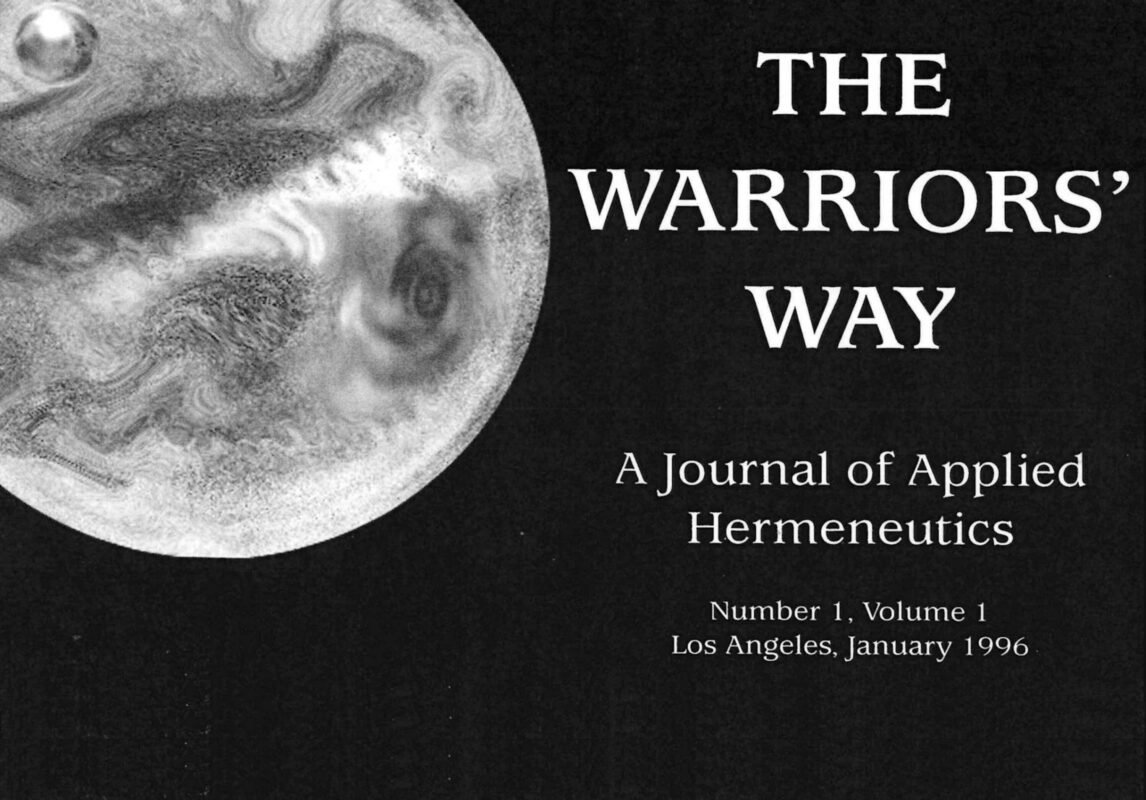
In this author’s note, Castaneda reaffirms the journal’s goal: to disseminate the ideas from don Juan Matus’s cognitive world. He recounts his early, unsuccessful attempts to publish the work, which was rejected for not fitting conventional formats. He then announces a significant change: the journal’s name is changed from “The Warriors’ Way” to “READERS OF INFINITY”. This new title is inspired by don Juan’s concept of “reading infinity,” a state of perception achieved through “inner silence” where a seer can read the infinity that reveals itself on the horizon. The journal is presented as an invitation for everyone to take up this challenge.

Journal of Applied Hermeneutics – Readers of Infinity Read More »

Translate »