
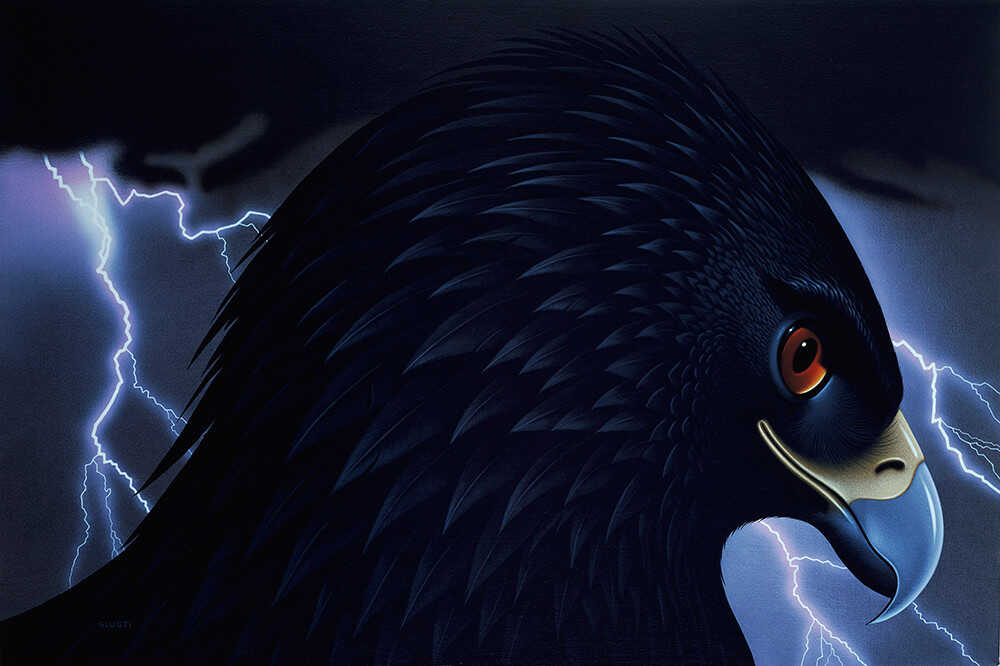
The Eagle’s gift

The Eagle’s Gift – Crossing The Boundaries of Affection

In this chapter, the apprentices grapple with their inexplicable “quasi-memories.” La Gorda introduces Don Juan’s concept of their group as a four-sectioned snake and leads them on a “power trail,” where they are thwarted by a giant figure Castaneda’s allies are blamed for. The memories intensify, with others recalling a past where Castaneda and a mysterious kind lady cared for them. The climax occurs during Castaneda’s final, disorienting encounter with Dona Soledad, where he has a flash of profound connection, “crossing the parallel lines” of their realities before she departs forever. After this, the group finally leaves their valley, and following another flash of Nagual certainty, Castaneda takes command and directs them toward a mysterious house he now knows is their next destination.

The Eagle’s Gift – Crossing The Boundaries of Affection Read More »

The Eagle’s Gift – The Horde of Angry Sorcerers

In this chapter, Castaneda and the apprentices arrive at the mysterious house, which Josefina identifies as belonging to “Silvio Manuel,” triggering visceral reactions in everyone. Their quasi-memories intensify, focusing on a terrifying bridge and the enigmatic figure of Silvio Manuel, whom they collectively recall as a dark force that “devoured” them as they were forced to cross the “parallel lines.” The group’s attempt to analyze these events in Mexico City descends into chaos as they turn on Castaneda, accusing him of being an agent of Silvio Manuel sent to mislead them. The conflict climaxes when Castaneda has a hard memory of Don Juan and another man showing him a “wall of fog” that splits the world. Faced with the group’s unwavering belief in his sinister role, they decide to part ways, although la Gorda vows to rejoin him later to fulfill their shared destiny.

The Eagle’s Gift – The Horde of Angry Sorcerers Read More »

The Eagle’s Gift – The Art of Dreaming – Losing The Human Form

In this chapter, Castaneda undergoes a harrowing physical ordeal which he and la Gorda identify as the final “loss of the human form,” resulting in a profound state of warrior’s detachment that erases his past resentments. This new state of being acts as a catalyst, unlocking a critical, completely forgotten memory of the “Nagual woman”—a serene and powerful counterpart to Don Juan who was, in fact, Castaneda’s partner. The shocking revelation that they could have forgotten such a pivotal figure plunges both him and la Gorda into a cycle of shared grief, rage, and fear as they begin to grapple with the true, terrifying extent of Don Juan’s manipulations on their memories and their very beings.

The Eagle’s Gift – The Art of Dreaming – Losing The Human Form Read More »

The Eagle’s Gift – Dreaming Together

In this chapter, to overcome their shared distress, Castaneda and la Gorda decide to attempt “dreaming together.” Castaneda outlines his four stages of dreaming before they successfully enter a shared dream, which is a vivid memory of Don Juan assigning la Gorda to him as a task to harness his selfishness. This experience also triggers the memory of another forgotten member of their party, Vicente. The breakthrough forces them into a detailed analysis of the art of dreaming, exploring concepts like the second attention, not-doing, the dreaming body, and will. The discussion culminates in la Gorda’s revelation that will is the control of the “other self,” and that Silvio Manuel was the ultimate master of it, a being permanently existing in his other self and commanding intent itself.

The Eagle’s Gift – Dreaming Together Read More »

The Eagle’s Gift – The Right and The Left Side Awareness

This chapter details Castaneda and la Gorda’s renewed attempts at “dreaming together,” leading them to a shared, barren landscape between the “parallel lines.” This experience unlocks a complete memory for Castaneda of a past event where he, la Gorda, the Nagual woman, and Silvio Manuel were taken to this same desolate place, which Don Juan called “limbo,” with their physical bodies. He recalls the terrifying ordeal of nearly dying from an overwhelming pressure and fear, a trial designed to force him to surrender his attachments. The chapter culminates in Castaneda and la Gorda’s profound realization about their own nature: that their past experiences were split between the awareness of the “right side” (the *tonal*) and the “left side” (the *nagual*). They conclude that their task of “remembering” is actually the warrior’s work of bridging these two sides by rearranging the non-linear “intensity” of the left side’s perception into a linear sequence their right side can comprehend.

The Eagle’s Gift – The Right and The Left Side Awareness Read More »

The Eagle’s Gift – The Rule of The Nagual

This chapter delves into the foundational mythos of the sorcerers’ world, which Castaneda calls “the rule of the Nagual.” He recounts how Don Juan, after a near-fatal encounter, was initiated into this rule by his own benefactor. The rule describes the Eagle, an immense cosmic force that consumes the awareness of all beings upon death. However, the Eagle also provides a gift: a chance to escape this fate and achieve freedom by keeping one’s awareness. To guide beings to this freedom, the Eagle created the Nagual, a double being who comes in a male/female pair. The chapter details the specific structure of a Nagual’s party—composed of four types of female warriors (the four directions) and four types of male warriors—and outlines their luminous features, their tasks of dreaming and stalking, and the cyclical duty of each Nagual to find and train a new party before departing the world.

The Eagle’s Gift – The Rule of The Nagual Read More »

Translate »